
Advocate Access
Get In Touch


News
Hope in Action: January 2026
Hope in Action is a series to highlight the aspects of our volunteer work. Advocacy for a child, whether in child welfare, juvenile justice, or truancy systems, covers several activities from court hearings to visits with a child to conversations with parents. Each month, we share a story of small (or big!) moments from one of our cases that exemplify what advocacy can mean to children and their families.
Choosing Hope: How Gavin Helped Trey Come Back, and Look Forward
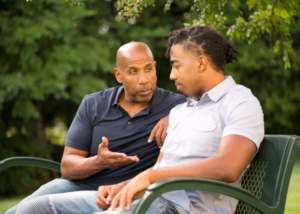 On a Thursday afternoon at school, 17-year-old Trey* slipped out the door of his foster home instead of meeting with his caseworker. She had arrived to talk with him about a new placement at a group home, but Trey wasn’t interested. With multiple homes and moves during his 15 months in foster care, Trey didn’t want to leave his friends and start over again.
As Trey left, he told his foster mom and caseworker, “Call me when Gavin* gets here.”
Gavin, Trey’s court-appointed Advocate, was already on his way, with food to help the teen talk through the move.
When Gavin arrived, all three tried calling Trey. He wouldn’t answer. Eventually, he picked up for Gavin and promised him he was heading home. Gavin joked his food was getting cold.
An hour passed with no sign of Trey, and the caseworker reported him as a runaway. Police arrived, gathered information, and began canvassing the area. They found Trey just a few streets over, already on his way home. He was cooperative but hurting about the move.
What shifted the day from crisis to calm wasn’t force. It was connection.
Choosing Calm over Crisis
Back at the house, Gavin handed Trey his food and sat with him. Together, they talked through what was happening: the foster home had given notice due to some of Trey’s behavior, and the move was not optional.
The caseworker said she’d pick him up the next morning. Still upset, Trey said he may not be there when she arrived.
Gavin didn’t meet Trey’s anger with reprimands. Instead, he offered honesty. Trey’s choices had led to his removal from the home. Now, he had another choice to make: how he would handle the pending move.
“I wasn’t trying to push him into it,” Gavin said. “It wasn’t an option to stay at the foster home, and I helped him to accept the move.”
Being angry wasn’t going to change the situation, Gavin reminded the teen.
“You get to choose what you do with that anger,” Gavin told him. “You can also decide to make the best of this.”
Hope could still be part of the plan.
With Gavin’s encouragement, Trey agreed to give the new placement a chance. Trey shared he was worried about his visits with his grandmother, who adopted Trey as an infant but could no longer care for him due to age and health. The caseworker assured Trey that Child Protective Services would ensure his visits with his grandmother would continue.
A Place to Land and a Person to Call
The new group home sits by a river and houses about 20 kids. Within days, Gavin could hear laughter in the background during their calls; Trey was joking with other boys and starting to find his place in the group. On his first visit, Gavin saw Trey’s new room shared with three other teens who seemed to get along well.
The two talk often, about school, frustration, hopes for the future, and everyday things. Trey trusts Gavin enough to reach out when he needs help getting something he needs: new sneakers, a T-shirt, even hair products. (Gavin joked with Trey that as a bald guy, he was learning a lot about hair care.) Gavin made sure Trey had the track spikes he needed to support his goal of running track.
Whether school, sports, or his life beyond foster care, Gavin encourages Trey to focus on making choices that build the future he wants.
“I help him see he has a lot of years ahead of him,” Gavin said. “And the choices he makes now will impact his opportunities.”
Trey turns 18 this summer. Gavin is helping him understand his options, including extended foster care and why staying connected a bit longer can provide stability and support as he enters adulthood. Once again, Gavin’s message isn’t pressure: it’s possibility.
“You have choices,” Gavin reminds him. “Make the ones that keep doors open for your future.”
They talk about trade careers, especially welding, which interests Trey. They talk about getting a driver’s license, about how adult life is built from small decisions stacked over time.
The road ahead is still unfolding, but Trey isn’t facing it alone. He has someone steady in his corner, someone who helps him pause, breathe, and choose hope.
“He’s not the kind of kid to give up,” Gavin said.
*Names changed for privacy.